
The state deadline library
Every state runs a first-party property claim on its own clocks: how fast the carrier must acknowledge, when it must decide, when it must pay, what interest and fees noncompliance costs, and how long the insured has to sue. The guides below name the code sections, the traps, and the leverage points for each state.
More states are in the research queue. Subscribe below to get each guide the day it lands.
Run the New York clocks on your file.
Enter the dates you know. Clocks without a date show what starts them.
- —Standard fire policy, Ins. Law § 3404
Suit limitation: 24 months from the date of lossHard deadline
24 months from the inception of the loss. Not from denial; not from a failed appraisal.
Nothing the carrier does tolls it: partial payment, reinspection, silence, appraisal demands, or a DFS complaint. Only a signed tolling agreement or a filed suit stops the clock. Past it, the claim is simply gone.
- —Standard fire policy, Ins. Law § 3404
Signed and sworn proof of loss due (insured)Hard deadline
Within 60 days after the loss, unless the carrier extends the time in writing.
Real and enforceable: a carrier can demand a formal sworn proof and hold the file to the sixty-day clause. Treat it as a hard deadline and get any extension in writing.
- —Standard fire policy, Ins. Law § 3404
Immediate written notice of the loss (insured)Hard deadline
Immediate written notice; immediacy is judged against what was reasonable.
No fixed day count exists. Log the date the loss was discovered, not the date of first contact.
- —Regulation 64, 11 NYCRR 216
Acknowledge the claim (regulatory clock)Regulatory clock
15 business days after notice of the claim.
No private right of action attaches to Regulation 64 or § 2601: a violation is a matter for the Department of Financial Services, not a check the policyholder can cash. Each missed mark is a dated, documented failure for the DFS complaint and the consequential-damages record.
- —Regulation 64, 11 NYCRR 216
Begin investigation and specify every required item and form (regulatory clock)Regulatory clock
15 business days, stated in the same sentence as the acknowledgement clock.
Same soft-teeth caveat: DFS enforcement only. Documentation of the miss is the leverage.
- —Regulation 64, 11 NYCRR 216
Accept or reject in writing (regulatory clock)Regulatory clock
15 business days after the carrier receives a properly executed proof of loss and everything it asked for. When the carrier suspects arson, the window stretches to 30 business days under Ins. Law § 2601.
Unlike Texas, a blown New York decision deadline starts no interest meter. It is DFS-complaint fuel and record for Bi-Economy consequential damages, nothing more.
- —Standard fire policy, Ins. Law § 3404
Payment due (dual-trigger policy clock)Carrier clock
60 days after BOTH conditions: the carrier receives the proof of loss AND the loss is ascertained by written agreement or a filed appraisal award.
An unanswered number never ripens into a pay date; ascertainment takes a written agreement or an appraisal award. Worth quoting in writing when a carrier lets an accepted number drift.
- —Senate Bill S166
FISPA (Senate Bill S166) is not lawContext
Proposed six-month determination window and thirty-day pre-suit demand. As of mid-2026, recommitted to committee without a floor vote.
Build the calendar on the twenty-four-month suit limitation that exists today, not the six-month determination window that might exist someday.
Computed from the claimOS field guide for this state. Clocks the guide states as plain days are counted as calendar days; business days are counted as weekdays. Informational, not legal advice. Verify against the current statute and policy language.
California

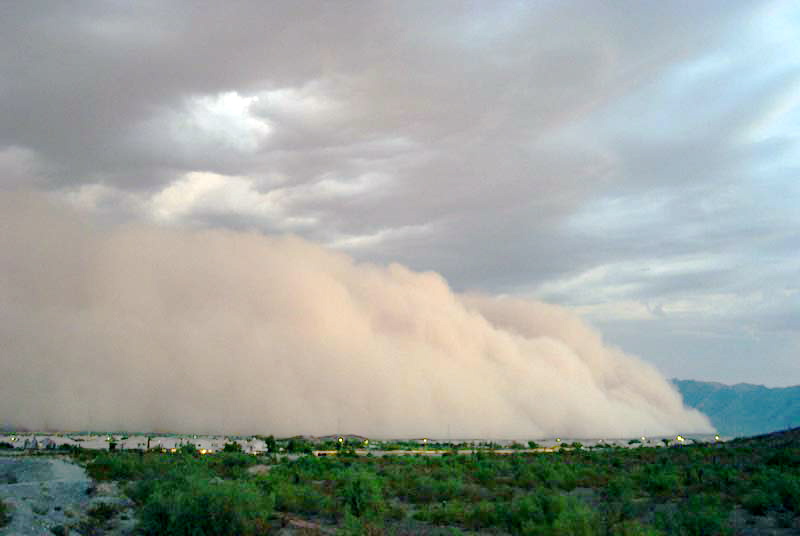
California's Smoke Damage Act Doesn't Bind Until January 1, 2027
AB 1795's enrolled text dropped the urgency clause earlier drafts carried and made the act operative only if AB 1642 is effective by January 1, 2027. What that leaves on a California smoke file: a ZIP-code presumption, three 30-day clocks, section 2057 interest, and a certification duty that lands on the public adjuster too.
4 min read

California's 60% Contents Advance: When the New Rule Pays Less
SB 495 raised California's emergency contents advance to 60 percent of the personal property limit. Because the base moved from Coverage A to Coverage C, the advance is smaller wherever contents coverage is under half the dwelling limit.
4 min read
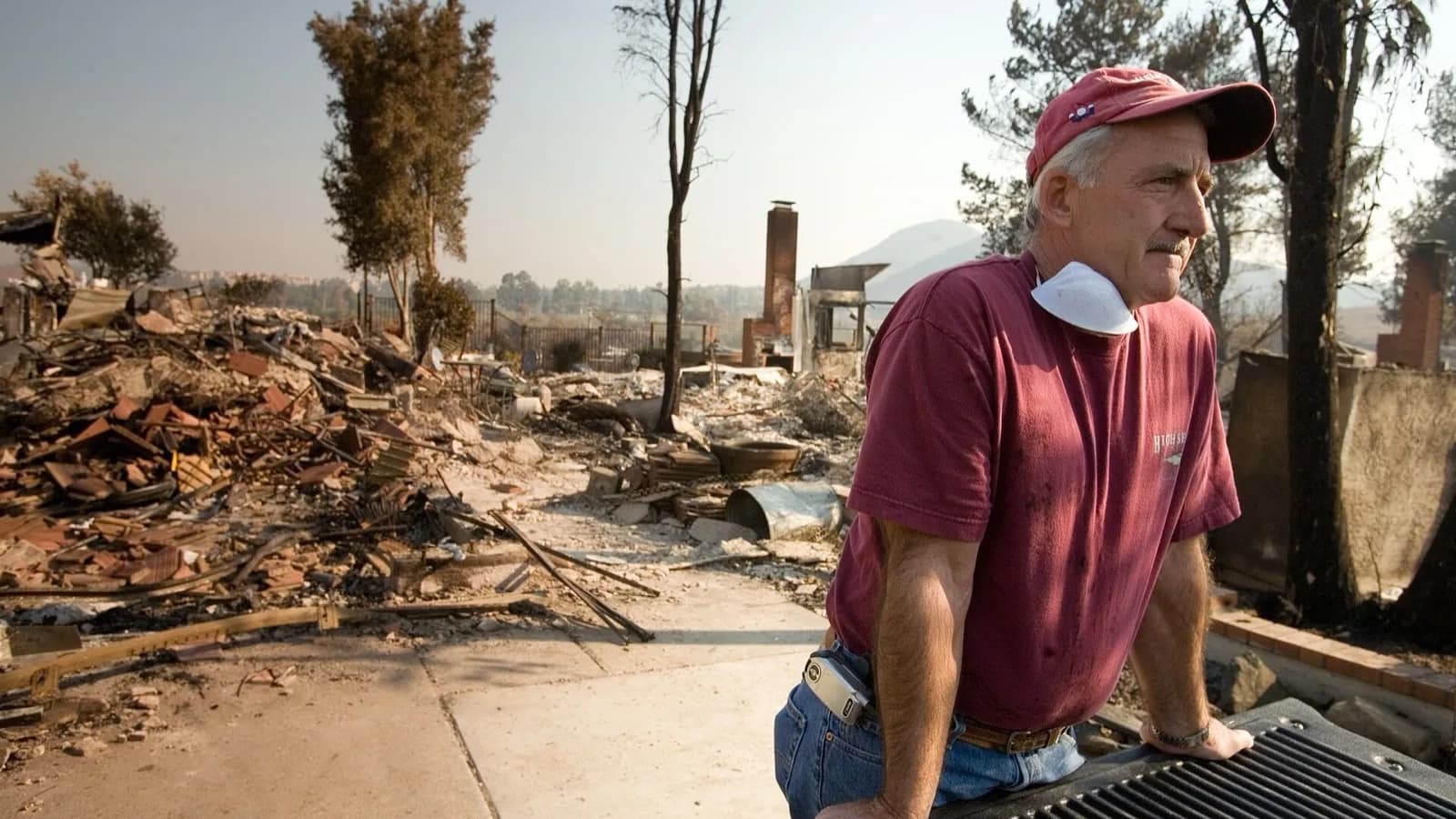
California Bad-Faith Insurance Claims: What the 2025 Rulings Mean for Your Files in 2026
Three 2025 appellate decisions reshaped California bad-faith exposure for carriers — and the evidence standard for public adjusters working smoke, fire, and title claims. Here's what changed and when your SOL clock runs out.
7 min read
Colorado

Colorado § 10-4-405(1.2): The Roof Claims Exhibit You May Not See
Colorado's new resilient-roof law buries a standing annual per-carrier wind and hail loss exhibit inside the one rate-filing section homeowners insurers are excepted from, and whether a public adjuster can read it is still open.
8 min read

Colorado Property Insurance Claim Deadlines: A Public Adjuster's 2026 Field Guide
Colorado runs six overlapping property-claim deadlines, from Regulation 5-1-14's 60-day carrier clock to the 2024 Gregory/Runkel notice ruling. A public adjuster's field guide to all six.
9 min read
Florida
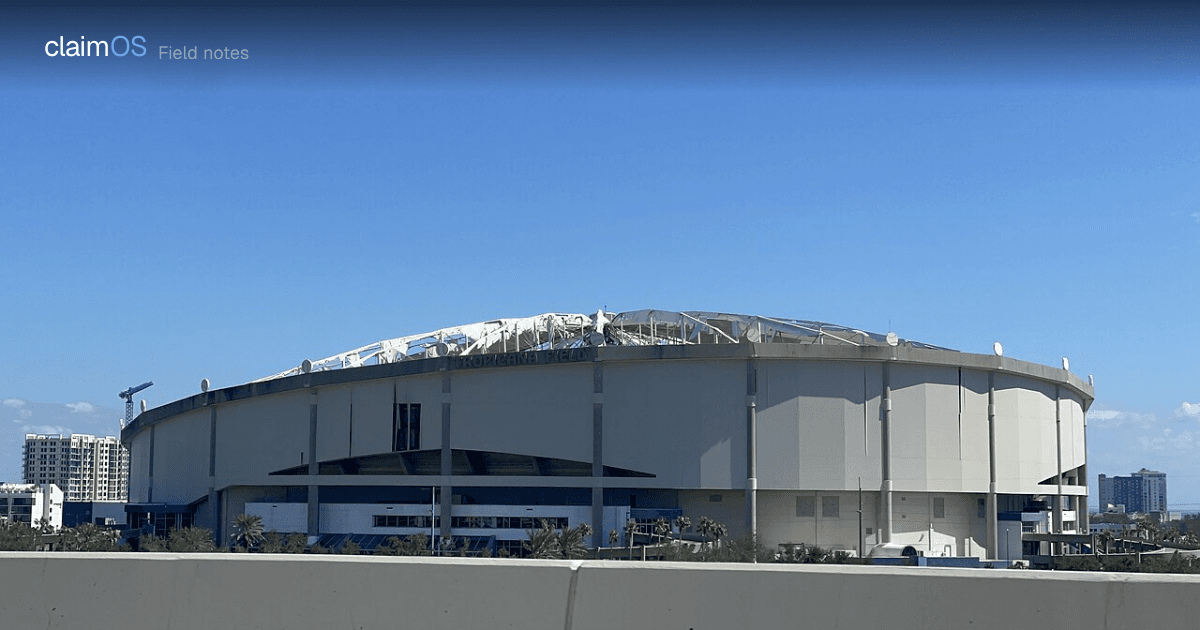
Florida Hurricane Claim Deadlines After Milton: The One Clock Still Running
Florida gives supplemental claims 18 months and reopened claims only 12, and the split turns on whether the carrier's file was open. With every 2024 storm window now shut, what is left is the five-year contract clock and a new Fourth DCA ruling on carrier delay.
9 min read
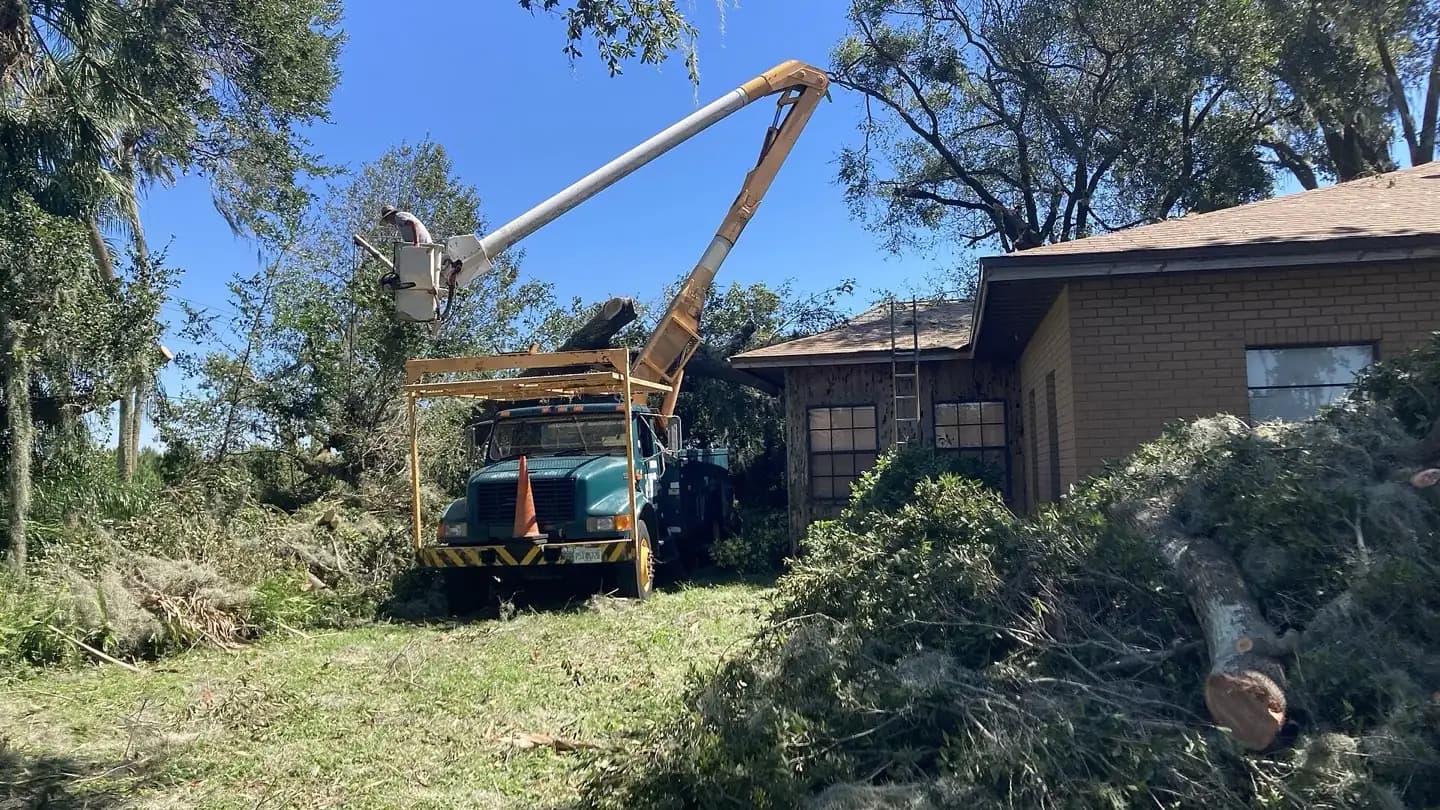
Florida Property Insurance Claim Deadlines and Bad-Faith Protections: 2026 Field Guide
A working calendar for Florida property losses after SB 2-A and HB 837: the one-year notice rule, the 7/30/60 carrier deadlines, § 627.70152 pre-suit notice, and how the bad-faith landscape changed.
8 min read


Illinois

A Roofer's Lead Voids Your Illinois PA Contract Under 5/1515(e)
Illinois Bulletin 2026-02 reads 215 ILCS 5/1510 to capture roofer lead generators, and 5/1515(e) voids the public adjuster contract that follows.
4 min read

Illinois Bulletin 2026-01 Omits 1575(f)(4)’s Assignment Exception
Illinois Company Bulletin 2026-01 quotes 215 ILCS 5/1575(f)(4) without its assignment exception, and your executed contract decides the co-payee question.
2 min read
Louisiana

Louisiana Banned the Anti-Public-Adjuster Clause, Then Exempted the Policies That Carry It
La. R.S. 22:1274 bans anti-public-adjuster policy clauses and then exempts commercial surplus lines policies. Texas and Massachusetts name non-admitted carriers; New York names nothing, and a federal court enforced the clause to judgment.
9 min read
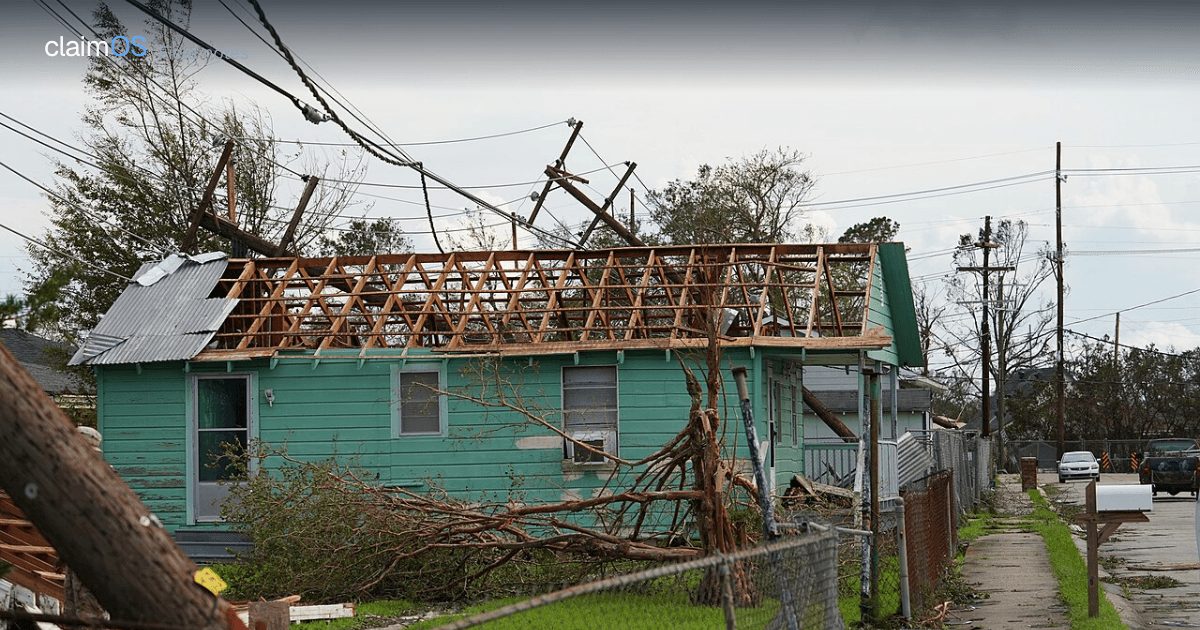
Louisiana Hurricane Claim Deadlines: The 60-Day Cure Notice and the Two-Year Window
Since July 1, 2024, Louisiana hurricane claims run on R.S. 22:1892.2, not the 30-day track most deadline guides still publish. The clocks, the mandatory cure period notice, and the clause that suspends prescription.
8 min read
Massachusetts

Massachusetts Ch. 187: Audit Your Policies Before Nov. 5
Chapter 187 makes anti-public-adjuster endorsements unenforceable in Massachusetts. The search-and-log procedure for your open surplus-lines files.
3 min read

Massachusetts Bad Faith: The 93A Demand Letter Does Nothing on a Commercial File
Chapter 176D § 3(9) sets no day counts. The only fixed period in the Massachusetts scheme is the thirty days that follow a c. 93A § 9(3) demand letter, and a business insured suing under § 11 never gets it.
4 min read



Multi-state and national
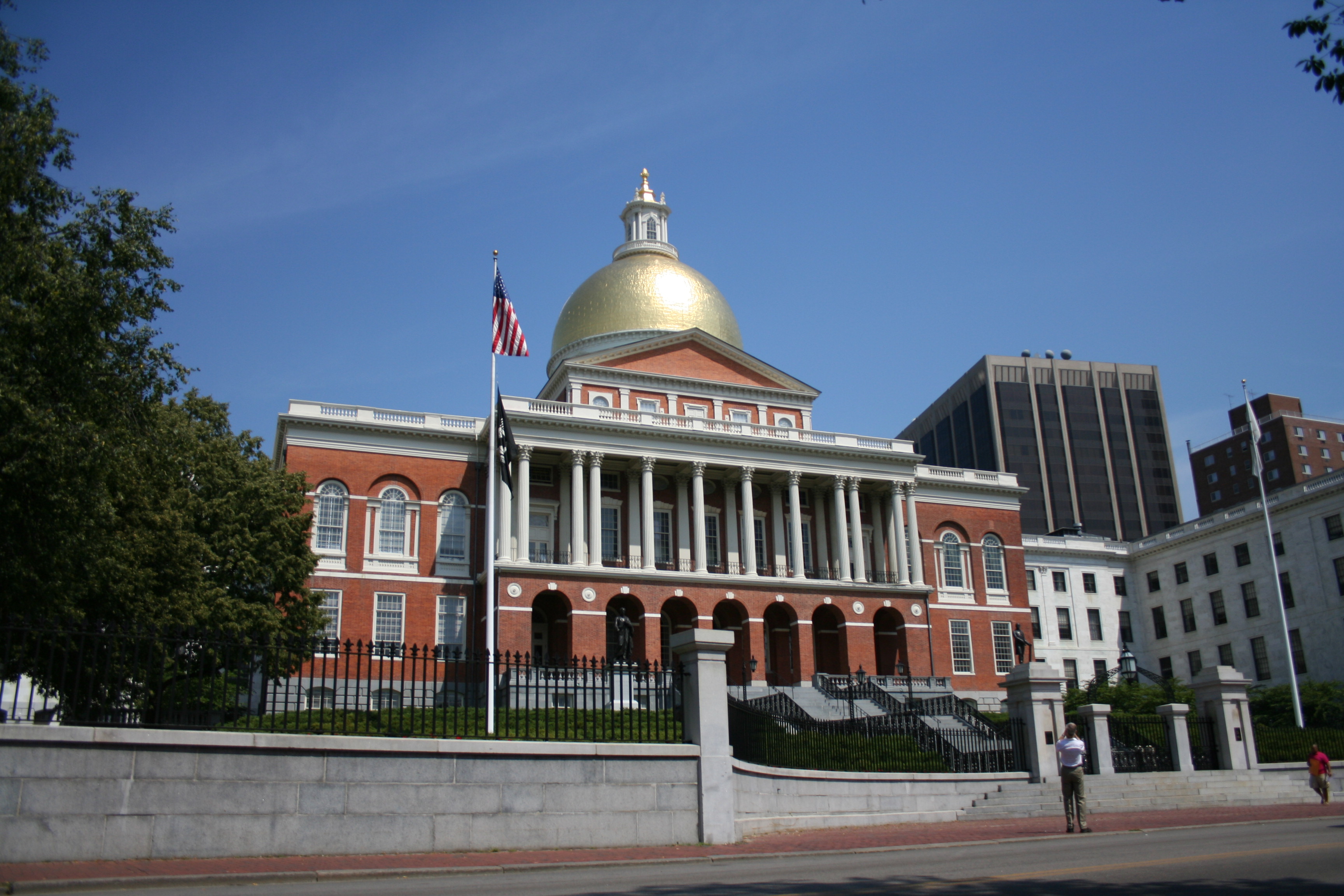
Chapter 187 Bans Six Verbs. Only One Gets You Into 93A.
Massachusetts Chapter 187 voids anti-public-adjuster endorsements reaching six verbs, but only "hiring" becomes an unfair claim settlement practice that opens the c.93A damages door.
7 min read

FIGA Won't Pay the Fee Line. Which Check Is Your Commission On?
Florida's Second District held that a negotiated attorney's fee line is not within the coverage, and so not a covered claim after an insolvency. A same-day Third District remand shows what happens to a public adjuster's commission bundled into the attorney's check.
2 min read
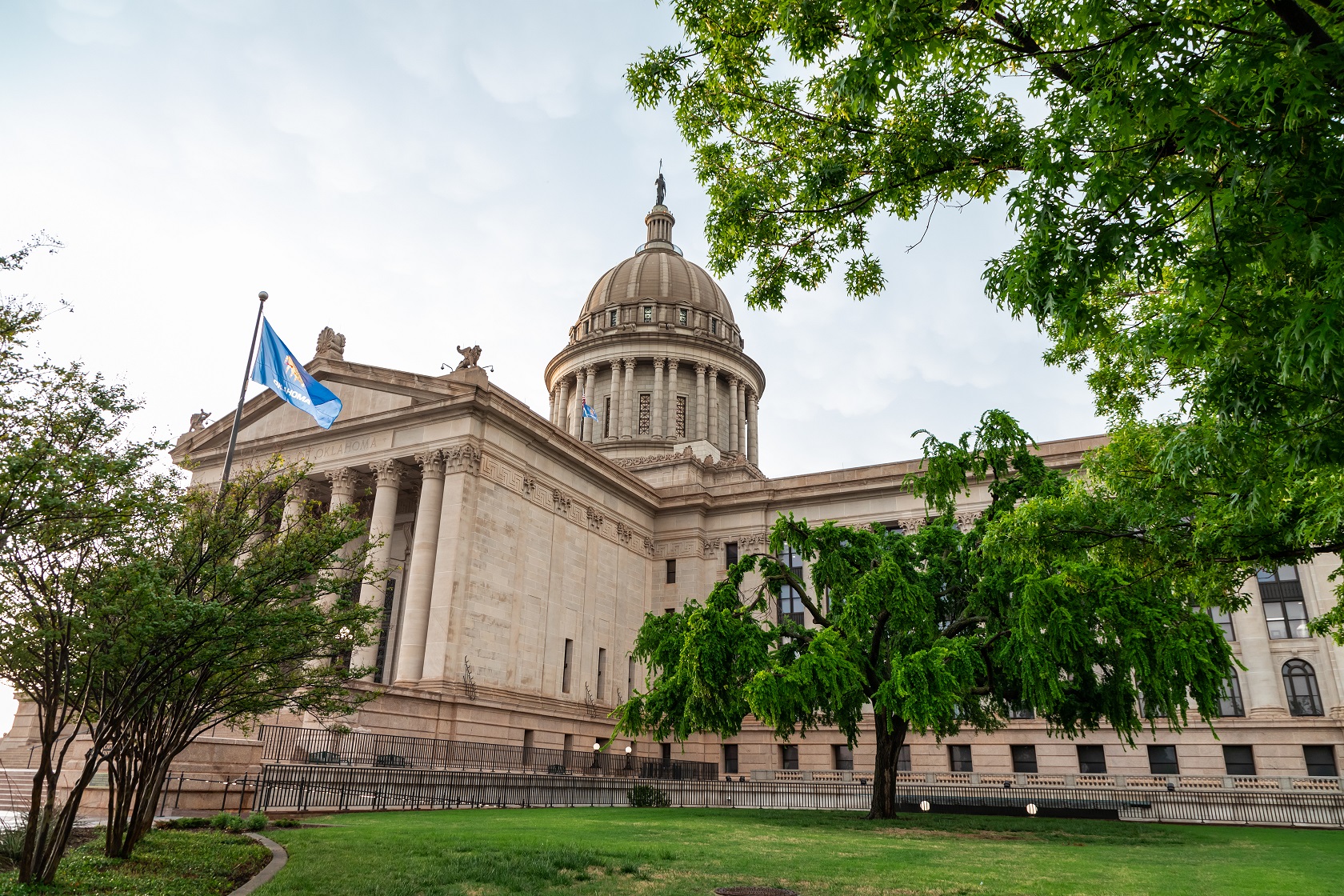
Mulready Subpoenaed Over the State Farm Roof-Claim Examination
Two subpoenas duces tecum command Oklahoma's insurance commissioner and his custodian of records to produce the department's State Farm roof-claim examination file. 36 O.S. § 309.4(F) says those working papers are not subject to subpoena.
4 min read

TDI Told the Governor That Insurers Aren't Denying Claims in Writing
Commissioner Crawford's September 14 memo carries a dozen legislative considerations. Abbott's press release names five of them as statutory options. The missing one says many insurers never affirmatively accept or reject a claim, and Section 542.056 explains why that works.
8 min read

The Ida Stay Is a Contested Motion, and the Record Decides It
Transportation Consultants affirms that Louisiana law blocks arbitration against domestic insurers, but leaves the stay of that litigation to be decided on the Waste Management factors and a factual record.
2 min read

TWIA's Draft Bill Turns “Shall” Into “May” in § 2210.575(e)
TWIA's committee forwarded repeal of the multidistrict-litigation judge requirement and Florida-style tort reform to the Board on September 1, 2026. Seven newsrooms covered the meeting. Two named the litigation items. None explained either.
5 min read

Tebele v. Lloyd's: Sprinkler Denial Holds, Agent Pays Only $15,000
South Carolina's Court of Appeals enforced a protective safeguards endorsement against a $2.85M Myrtle Beach fire loss, then held the agent E&O recovery to $15,000 after the jury put 60% of the fault on the insured who signed the application.
4 min read

Who's Covering the State Farm Documents, and What Each Newsroom Added
Eight newsrooms covered the 31 unsealed State Farm documents in Oklahoma. Who reported the $78.8M figure, who printed the trial dates, and where the accounts diverge — with the broadcast segments embedded.
10 min read