
Workflow — Fire claims
Fire Claim Scope Workflow: From Site Walk to Sworn Proof of Loss
The site walk feeds the scope, the scope feeds the valuation, and the valuation becomes the sworn number. Run the sequence in order or negotiate against your own gaps.
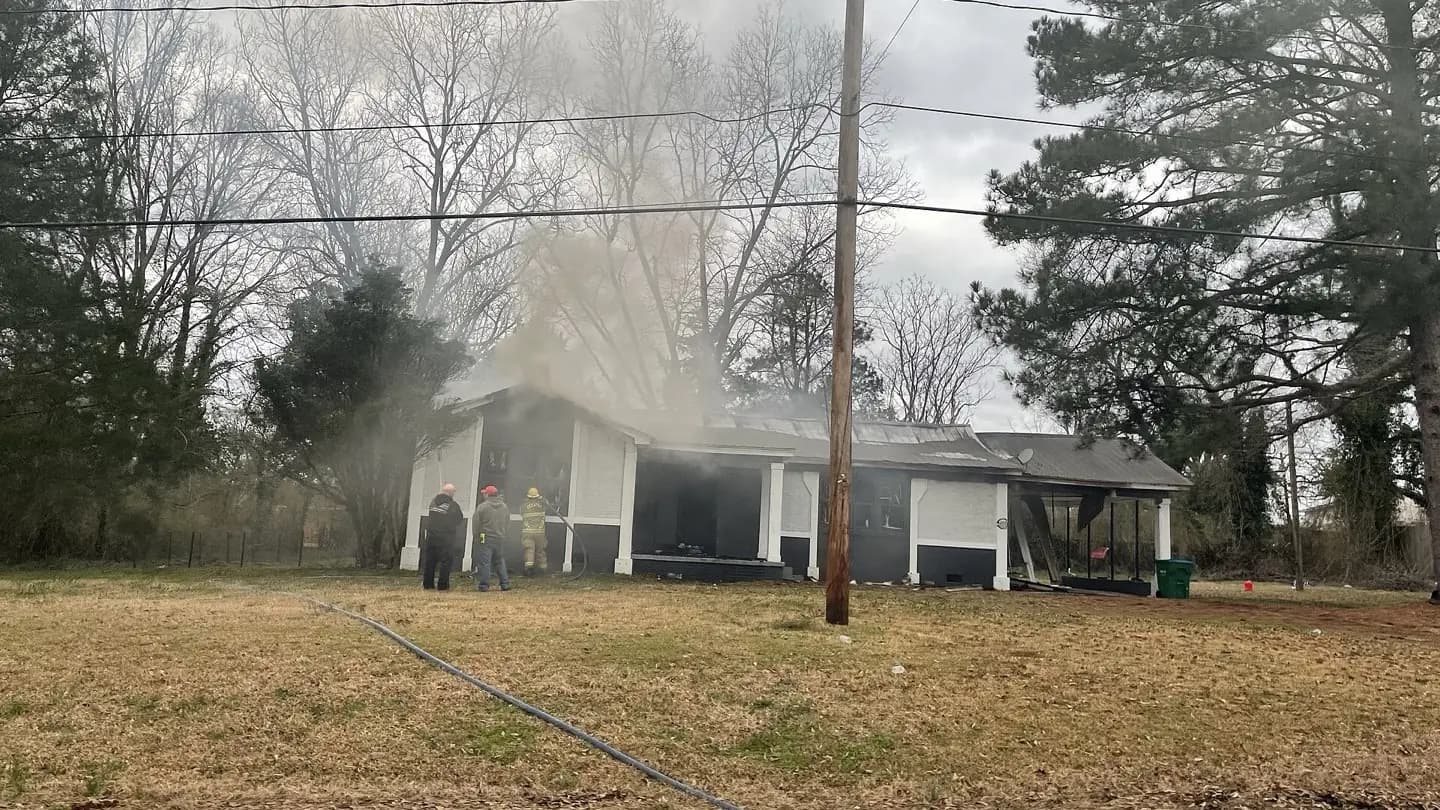
Photo: Ktkvtsh / Wikimedia Commons — CC BY 4.0
In short
A public adjuster's fire-claim workflow, step by step: document before cleanup, scope all five layers, value contents, and file the sworn proof of loss before the 60-day clock runs out.
The kitchen fire on Marisol Vega's file burned for nine minutes before the engine company knocked it down. The carrier's desk adjuster scoped it at $31,000 — the cabinet run, drywall on the shared wall, one new range. The claim closed at $214,000 eleven weeks later, after a public adjuster walked the house with a flashlight and a white rag and found soot packed into return ducts on the far side of the home, two bedrooms that smelled of smoke through shut doors, and a municipal code that forced a full electrical service upgrade the moment the panel came open.
That spread — $31,000 to $214,000 — is the fire claim in one number. Fire is the loss type where the first scope and the real scope diverge the most, because the damage you can see is a fraction of the damage that pays. In 2024, one- and two-family home fires caused $9.4 billion in direct property damage, and that figure rose 8 percent over the prior year. The carrier's estimate starts at the char line. Your job starts at the duct run, the attic insulation, and the ordinance file at city hall.
The workflow from the first site walk to the signed proof of loss is a sequence, not a checklist you can shuffle. Each step feeds the next: what you photograph on day one becomes the scope, the scope becomes the contents valuation, and the valuation becomes the sworn number you cannot walk back. Get the order wrong and you are negotiating against your own incomplete documentation.
The site walk decides the claim
Everything downstream is built on what you capture before anyone cleans. Restoration crews move fast, and a board-up contractor who has already hauled out the soot-stained drywall has erased your evidence. Walk the structure before mitigation starts, or document alongside it room by room.
Photograph and shoot video of every room, not the burn room alone. Smoke and soot travel through the return-air system and settle in spaces the flame never reached — closets two floors up, the inside of kitchen cabinets on the far wall, the coil of the air handler. The field test still works: wipe a clean white cloth across a painted surface, a baseboard, or a duct register and photograph the residue. A gray streak in a bedroom 40 feet from the origin is the difference between a one-room repair and a whole-house cleaning.
Open the systems. Pull the HVAC filter and photograph the return plenum. Check the attic for smoke staining on the underside of the roof deck. Look behind the range, under the sink, inside the panel. Soot is acidic — it etches metal, corrodes electrical contacts, and keeps off-gassing odor for months — so the adjuster who documents corrosion on a circuit breaker is documenting a covered loss, not cosmetic staining.
Pull the fire department's incident report and, on anything beyond a small kitchen fire, the cause-and-origin findings. Those documents fix the date of loss the policy clock runs from, establish that the cause is a covered peril rather than an excluded one, and tie the burn pattern to the rooms you scoped. Note the responding department, the report number, and the investigator's name while the file is open; chasing a records request three weeks later wastes time you owe the proof-of-loss window.
Building the scope, line by line
A fire scope is not one estimate. It is layers, and a carrier estimate that names only the first two is the estimate to challenge.
| Scope layer | What it captures |
|---|---|
| Demolition | Tear-out of charred and smoke-saturated material — drywall, insulation, flooring, cabinetry — plus debris haul-off and dump fees. |
| Cleaning | Soot removal from framing, contents, and structure, including the HVAC system the soot moved through. |
| Deodorization | Thermal fogging, hydroxyl or ozone treatment, and sealing of framing to kill smoke odor that survives surface cleaning. |
| Code upgrades | Electrical, plumbing, framing, and egress work the building department requires once walls are open — paid under Ordinance or Law coverage. |
| Reconstruction | Rebuild to pre-loss condition: drywall, paint, trim, flooring, cabinetry, fixtures. |
Deodorization is the layer most often missed. Surface cleaning removes the visible soot; it does not remove the odor embedded in framing, subfloor, and wall cavities. Sealing the framing with a pigmented shellac after cleaning is standard restoration on a real fire, and it is a line item, not an afterthought.
Code upgrades are the layer that swings the biggest dollars. Once demolition exposes the wiring, an inspector can require the whole circuit — sometimes the whole service — brought to current code before the wall closes. A panel upgrade, arc-fault breakers, hard-wired smoke and CO detectors, and updated egress windows can add five figures. That cost lands on Ordinance or Law coverage, commonly written as a percentage of the dwelling limit. Read the declarations page, pull the municipal code section, and put the requirement in writing before the carrier calls it a betterment.
Then the contents. A fire contents inventory is room-by-room, item-by-item: name, quantity, brand, age, and replacement cost, each piece marked salvageable or non-salvageable. Soot-coated electronics and upholstery that read clean on the surface are often total losses because the acidic residue keeps working after the fire is out. Document the reasoning, not the verdict alone — "circuit board shows corrosion consistent with soot exposure" beats "TV: damaged." Photograph the model and serial plate on appliances and electronics so replacement pricing holds up to like kind and quality, and price the inventory at replacement cost rather than the depreciated figure the carrier will reach for first. The recoverable depreciation comes back to the policyholder once the items are actually replaced, but only if the inventory captured the full replacement value to begin with.
The clock you cannot miss
Fire claims run on two timelines at once: the practical timeline of scoping and rebuilding, and the policy timeline of post-loss duties. Miss a deadline on the second and the quality of your scope stops mattering.
The sworn proof of loss is the one that ends claims. Most homeowner policies require it within 60 days of the loss or of the carrier's written request, though the window runs 30, 60, or 90 days depending on the form and the state. The proof of loss is a sworn, notarized statement of the amount you are claiming — and filing it late, or not at all, hands the carrier a clean defense for denial no matter how strong the underlying loss is.
Two more duties sit on the same clock. The carrier may demand an examination under oath, sworn testimony the policy lists as a duty after loss — skipping it can void the claim the same way a missing proof of loss can. And any deadline extension you negotiate has to be in writing; an adjuster's verbal "take your time" is not a waiver. If the scope genuinely needs more than the window allows, request the extension in writing and get the agreement in writing back.
The sworn proof is the number that sticks
The proof of loss is where the whole workflow lands. The figure you swear to has to match the scope and the contents valuation you built — not a round number, not a placeholder. Once it is signed and notarized, that number becomes the floor of your demand and the anchor of any appraisal or suit that follows. A proof of loss that undercounts because the deodorization layer or the code upgrades were not scoped yet is a number you are stuck defending down from.
Which is why the order matters. The site walk feeds the scope, the scope feeds the contents and the code analysis, and only then does the proof of loss get a real number. An adjuster who runs that sequence on a fire file the way Vega's was run is not padding a claim — they are documenting the loss the carrier's first pass left on the table. See how claimOS structures fire scopes from the site walk forward on the public adjuster workflow page, or weigh it against other tools on the software comparison page.
When is the sworn proof of loss due on a fire claim?
Most homeowner policies require it within 60 days of the loss or of the carrier's written request, but the window can be 30 or 90 days depending on the policy form and the state. Confirm the exact deadline on your policy, and get any extension in writing.
Why is the carrier's first fire estimate usually low?
Desk estimates tend to scope the visible burn area and reconstruction while underscoping cleaning, deodorization, and code upgrades. Smoke and soot damage often extends well beyond the room that burned, and code-required upgrades only surface once demolition opens the walls.
What is Ordinance or Law coverage on a fire claim?
It pays the extra cost of bringing the structure up to current building code during repair — electrical, plumbing, egress, framing — that standard dwelling coverage may exclude as betterment. It is commonly written as a percentage of the dwelling limit; the declarations page controls.
How do you prove smoke damage the flame never touched?
Document soot migration before cleanup: photograph white-cloth wipe tests in rooms away from the origin, soot in HVAC returns and the attic, and corrosion on metal and electrical contacts. Acidic soot residue keeps damaging surfaces after the fire is out, which supports cleaning and replacement beyond the burn room.
Can missing a post-loss duty void a fire claim?
Yes. Failing to file a timely proof of loss, or failing to appear for a demanded examination under oath, can give the carrier grounds to deny regardless of the merits of the loss. Track every duty deadline from the date of loss.
A fire file rewards the adjuster who treats the first 48 hours as evidence collection and the next eight weeks as a build toward one sworn number. The flashlight, the white rag, the duct register, and the municipal code section are the work. The proof of loss only records what that work found.
Sources cited
- Fire Loss in the United States During 2024— National Fire Protection Association
- Facts + Statistics: Fire— Insurance Information Institute
- Building Code, Ordinance or Law Compliance— United Policyholders
- When Is a Proof of Loss Due Under My Insurance Policy?— Murray Law Group
The documentation lives where the claim does.
Photos, drying logs, scopes, and carrier correspondence land on the claim record as they happen, so the package you send the carrier is the file you actually worked.